How to Tell if a Child Plays Soccer Well: A Guide for Committed Parents
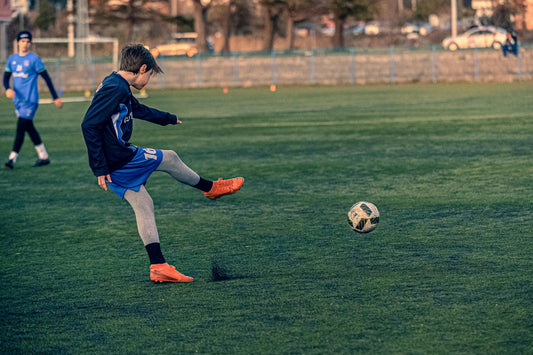
If you're like most of the parents I meet on soccer fields every weekend, you're probably wondering how you can help your child reach their peak performance in youth soccer. Perhaps you've seen them training in the garden, dreaming of being the next Messi or Mbappé. The good news is that, with the right approach, you can play a crucial role in their athletic development.
The journey begins at home
The road to success in soccer is like building a house: you need a solid foundation. And those foundations, dear parents, begin long before you step onto the training field. They begin at home, with the small decisions we make every day.
The first thing we must understand is that the development of a young soccer player goes far beyond technical skills. It's a journey that encompasses body, mind, and spirit. Let me explain how we can address each aspect.

Physical development: beyond training
Think of your child's body as a race car: it needs the best fuel and proper maintenance to perform at its best. Nutrition plays a key role here. You don't need to be an expert in sports nutrition, but you do need to understand some basic principles.
Young soccer players need a balanced diet that provides them with the energy they need for their training sessions and matches. This means hearty breakfasts, nutritious lunches, and restorative dinners. And no, we're not talking about restrictive diets or anything like that; we're talking about healthy eating that promotes their development and recovery and avoids excessive consumption of sugar and saturated fats.
But nutrition is only part of the equation. Rest is just as important. I've seen too many overzealous parents push their children to train harder and harder, forgetting that the body, especially in youth football, needs time to recover and grow.
A winning mentality is built with patience.
Do you know what separates great players? It's not just their technique, it's their mindset. And it's built day by day, with every small victory and every defeat. As parents, we have the privilege and responsibility to help shape this mindset.
When your child returns home feeling downcast after a bad game, your response can make all the difference. Instead of focusing on the mistakes, talk about the effort. Ask them what they learned from the game and help them see every challenge as an opportunity for improvement. Failing and making mistakes shouldn't be seen as negative, but rather as a sign of courage and determination.

Safety First: Protecting Your Future
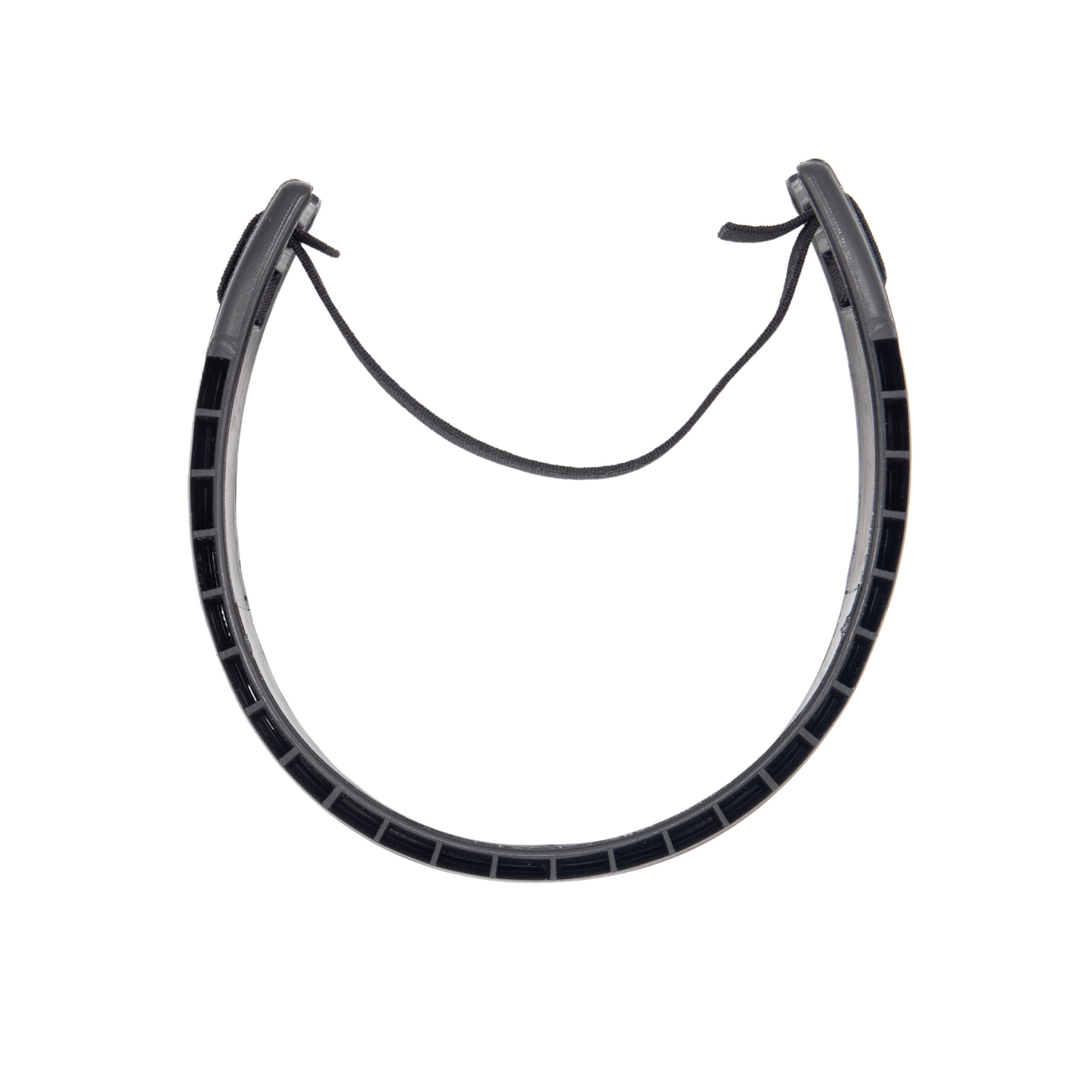
Let's talk about something I'm particularly passionate about: on-field safety. Too many parents underestimate the importance of proper protection, especially when it comes to the head. Bumps and collisions are part of the game, but their effects can be cumulative .
Investing in quality protective equipment isn't just an expense, it's an investment in your child's future. This includes not only basic shin guards, but also appropriate head protection for specific exercises and intense play situations.
Balance: The Key to Long-Term Success
One of the questions I get most from parents is how to balance soccer and academics. My answer is always the same: soccer should be a complement that enriches your child's life, not something that completely consumes it.
Establish clear routines that allow time for everything: studying, training, rest, and, yes, time to just be a kid. Soccer should be a source of joy and growth, not a burden. However, if you think your little one could be the next Cristiano Ronaldo, you can check out the following guide.

Conclusion: The journey is as important as the destination
As a parent, your role goes beyond being a mere bystander. You're a mentor, a supporter, and, in many cases, a confidant. Always keep the lines of communication open with your child. Ask them how they're feeling, what motivates them, and what's worrying them.
Remember that not every child will become a professional, and that's okay. True success lies in developing life skills, building confidence, and developing a strong character.
Your role as a parent is to provide the right environment for your child to grow, learn, and enjoy the game in a safe and healthy way. With the right approach, patience, and love, you can help your child shine not only on the soccer field, but in life itself.
And remember: the best gift you can give your child isn't the best equipment or the best workouts, but your unconditional support and the assurance that, win or lose, you'll always be proud of their efforts.
#YouthSoccer #SportsDevelopment #SafeSport #ParentsInSports #GrassrootsSoccer